What Is Lounge Music? History + Best Use Cases
Lounge music is slow, atmospheric instrumental music built for relaxed environments. It borrows from jazz harmonies, ambient textures, downtempo grooves, and sometimes world-music instrumentation. The goal is always the same: create a mood without demanding attention.
A Short History
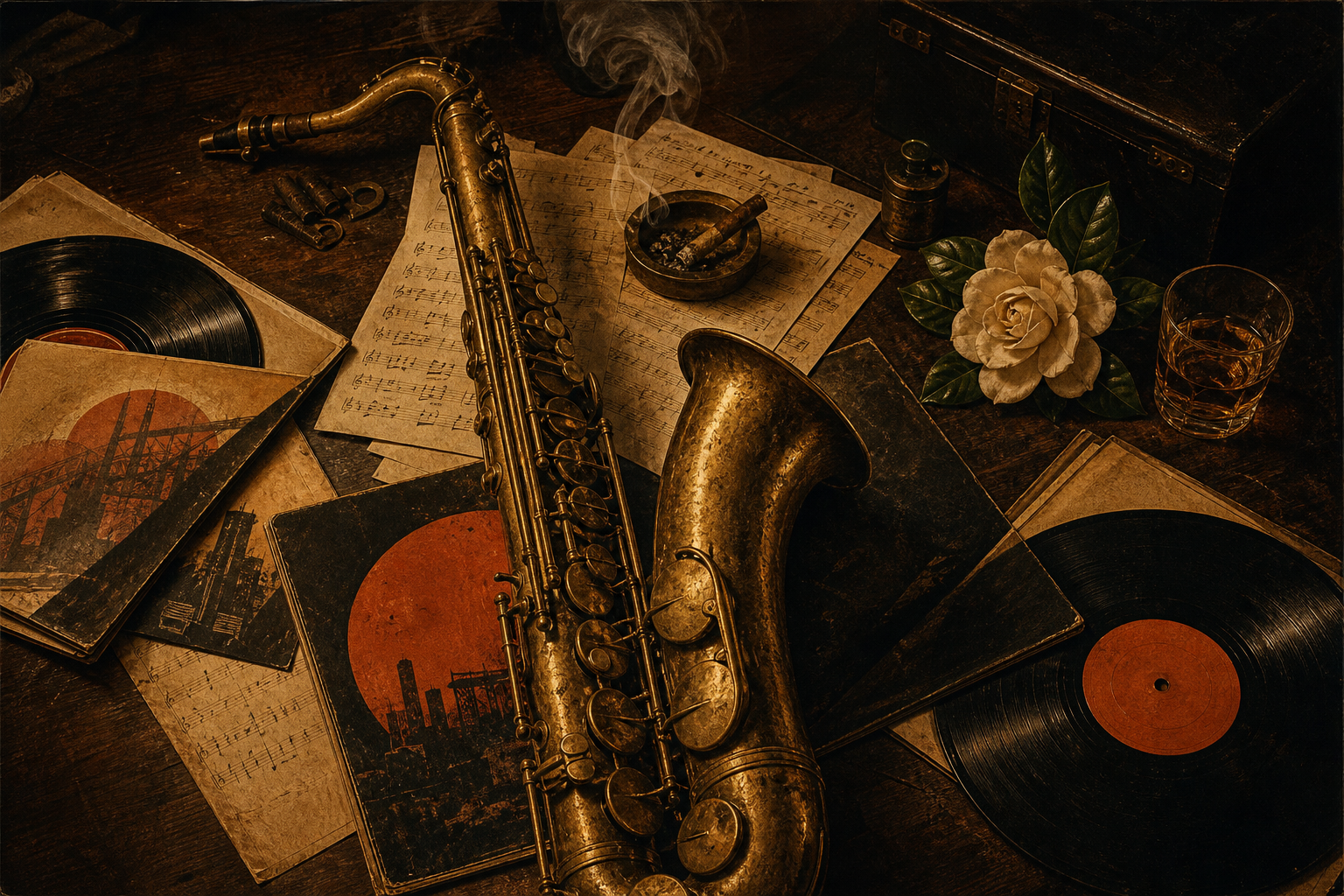
The term “lounge” became popular in the 1950s and 1960s to describe the easy-listening records played in hotel lobbies, cocktail bars, and airport lounges. Over time, lounge absorbed electronic production, trip-hop, and ambient influences to become the modern downtempo sound we know today.
What Lounge Sounds Like
- Slow, steady tempo (60 to 95 BPM)
- Warm pads, Rhodes piano, and soft synths
- Minimal or no vocals
- Subtle jazz chords and mellow basslines
- Long, looping arrangements that avoid jarring changes
Where Lounge Works Best
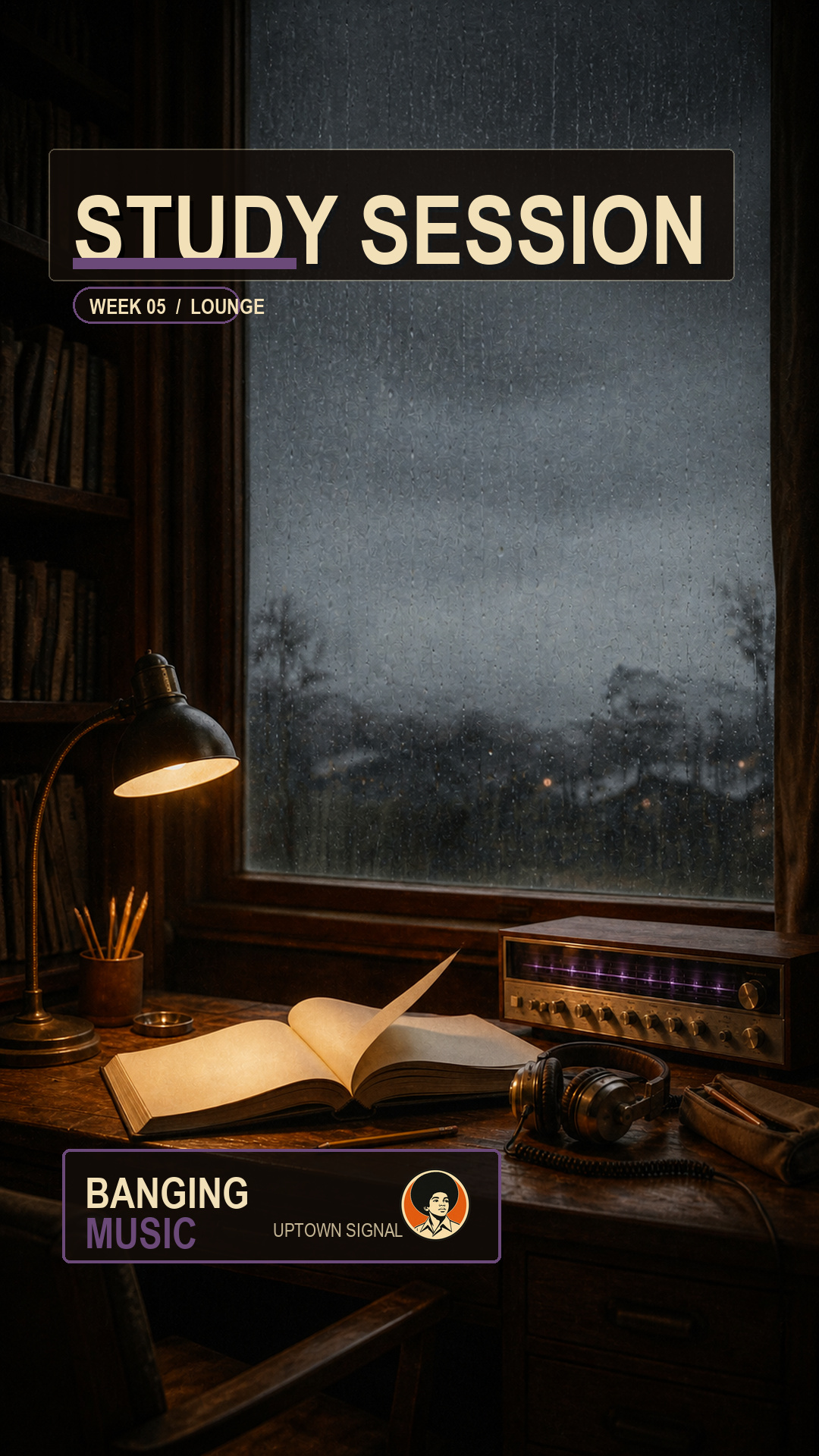
- Deep work and study sessions
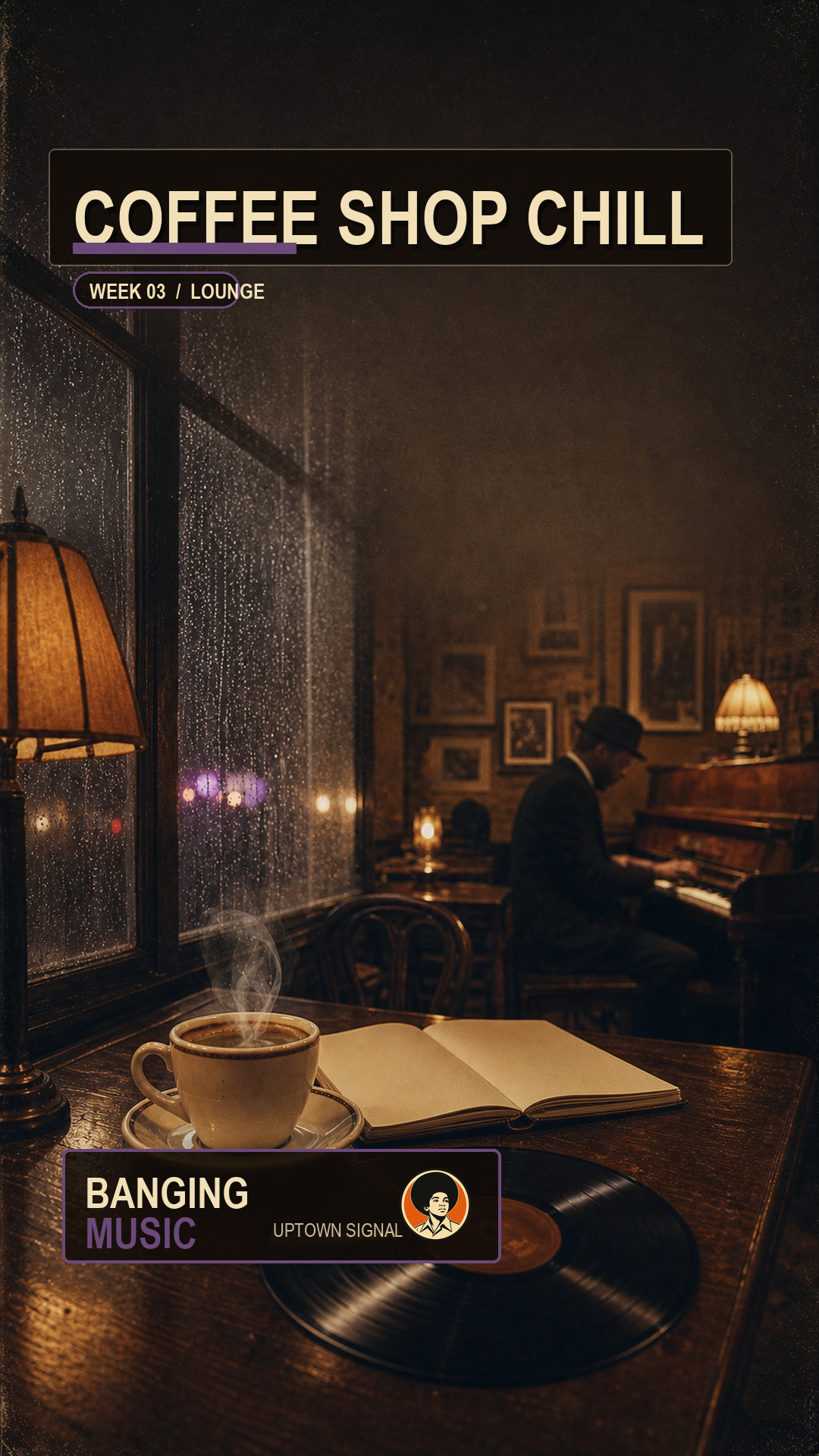
- Coffee shops and coworking spaces
- Hotel lobbies and spas
- Late-night reading or journaling
- Upscale retail and showrooms
Lounge music is the safest choice when you need the room to feel full but never busy.